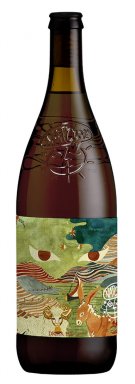
They wanted to make an orange wine. For ten days, they left the grapes—skin and all—to soak in an open fermentation vat. But the wine had other plans. No orange color. No oxidative punch. Instead, a stunning golden white wine with a charming fullness that convinces you from the very first sip.
In the glass, an elegant bouquet of wild flower honey, dried apricot, and a subtle hint of orange peel unfolds. On the palate, the wine displays a silky texture, perfectly balanced by a bright, lively acidity that carries the fruit along into a long, juicy finish. The subtle salty aftertaste that lingers gives the wine precision, freshness, and a distinctive character—despite its depth, it remains effortlessly drinkable. And effortlessly drinkable is precisely the only criterion for admission to the Nat'Cool club. So smooth that 75cl is too little. That is why this wine is bottled in 1-liter bottles.
Food pairing
They wanted to make an orange wine. For ten days, they left the grapes—skin and all—to soak in an open fermentation vat. But the wine had other plans. No orange color. No oxidative punch. Instead, a stunning golden white wine with a charming fullness that convinces you from the very first sip.
In the glass, an elegant bouquet of wild flower honey, dried apricot, and a subtle hint of orange peel unfolds. On the palate, the wine displays a silky texture, perfectly balanced by a bright, lively acidity that carries the fruit along into a long, juicy finish. The subtle salty aftertaste that lingers gives the wine precision, freshness, and a distinctive character—despite its depth, it remains effortlessly drinkable. And effortlessly drinkable is precisely the only criterion for admission to the Nat'Cool club. So smooth that 75cl is too little. That is why this wine is bottled in 1-liter bottles.
Food pairing
Delicious with petiscos” appetisers such as pataniscas or pastéis de bacalhau (types of codfish fritters), cured sausages, etc.
Grapes: Rabigato, Viosinho and others
Fermentation took place spontaneously in a traditional lagar, where the wine remained for approximately 11 days. It was then pressed in a cement tank, where both alcoholic and malolactic fermentation were completed. The wine aged for one year on fine lees. Subsequently, it was transferred to stainless steel tanks, where it settled naturally for two months. Finally, it was bottled with light filtration.